
Have you ever noticed how your body softens after a slow walk at dusk or a gentle stretch as morning light fills the room? In a culture once fueled by constant motion and exhaustion, many are rediscovering the strength found in subtle movement. Daily low-impact habits offer a quieter form of care, one that preserves energy while steadily protecting long-term health. These moments may feel small, yet they shape resilience, balance, and wellbeing over time.
Why Gentle Movement Creates Lasting Strength
Low-impact movement works not through force, but through consistency. It supports joints, muscles, and circulation without placing strain on the body, allowing motion to feel restorative rather than depleting. Over time, these steady rhythms form a foundation that keeps the body fluid, capable, and at ease.
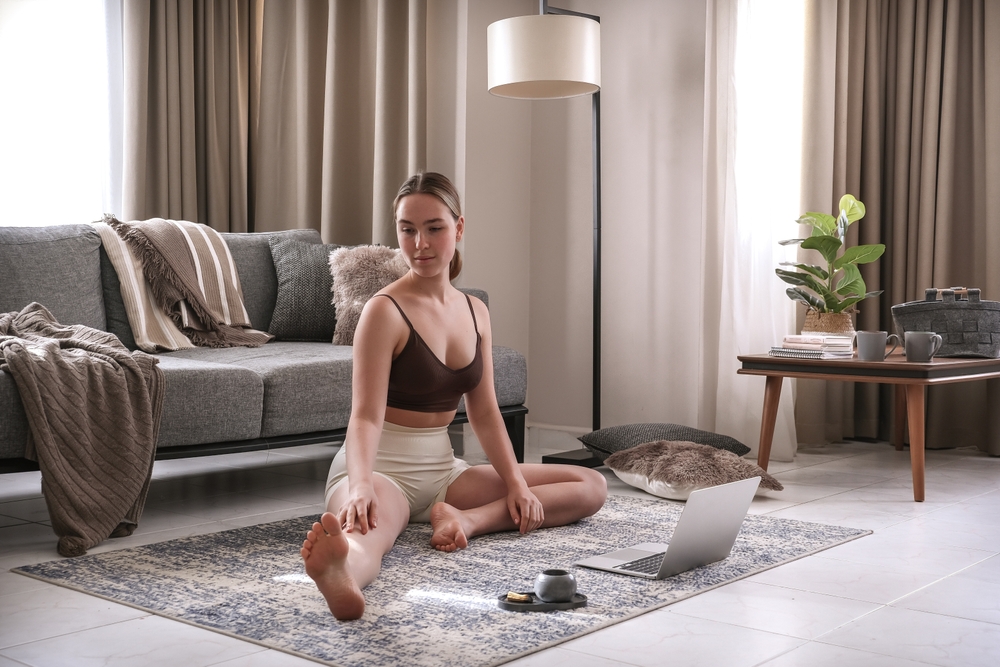
The benefits tend to reveal themselves gradually through everyday comfort and energy.
- Improved joint flexibility and mobility
- Reduced stiffness and muscle tension
- More balanced energy throughout the day
- Support for heart and circulation health
- Greater physical ease with daily activities
What feels effortless now quietly protects the body for years ahead.
Movement As a Daily Ritual
Rather than treating exercise as something to power through, low-impact movement invites a softer relationship with health. It becomes part of the day’s natural flow, woven between moments of work, rest, and reflection.
A few stretches before breakfast. A relaxed walk during a midday pause. Gentle breathing paired with simple mobility exercises in the evening. These small rituals bring both movement and mindfulness into everyday life.
Many people naturally gravitate toward habits that feel calming and approachable.
- Walking at a comfortable pace indoors or outdoors
- Light yoga or slow-flow stretching sessions
- Gentle cycling or swimming
- Standing and stretching between work tasks
- Simple bodyweight mobility movements
When movement feels inviting, consistency follows with ease.
How Low-Impact Habits Protect Long-Term Health
The body thrives when it’s encouraged to move regularly without stress. Low-impact habits keep muscles engaged, joints lubricated, and posture supported, reducing the gradual wear that often comes from long hours of sitting.
These movements also nurture cardiovascular health by gently elevating heart rate while keeping the nervous system calm and balanced.
Over time, consistent gentle motion helps guard against common challenges.
- Chronic back, neck, and joint discomfort
- Loss of flexibility and range of motion
- Energy dips tied to inactivity
- Gradual mobility decline
- Stress-related physical tension
Rather than reacting to problems later, daily movement quietly prevents them now.
The Emotional Ease That Comes With Gentle Motion
Low-impact movement carries an understated emotional benefit. Slow walks often feel meditative, allowing thoughts to settle. Stretching releases tension that gathers silently in shoulders, hips, and jaw. Controlled breathing paired with motion signals the body to relax.
These moments create space for clarity and calm, becoming an anchor in busy days.
Many people notice subtle emotional shifts over time.
- Clearer focus and mental flow
- Reduced feelings of stress and overwhelm
- Improved sleep quality
- A stronger sense of presence and balance
The body softens, and the mind follows.
Building Habits That Feel Natural
The beauty of low-impact movement lies in its flexibility. There’s no rigid schedule or perfect routine required. What matters most is finding small ways to move that feel sustainable and enjoyable.
Starting with just a few minutes each day builds momentum gently. Over time, those minutes expand naturally as movement becomes a familiar comfort.
Consistency grows when habits are supported thoughtfully.
- Pairing movement with existing routines
- Keeping sessions short and approachable
- Choosing activities that feel calming rather than draining
- Letting go of the need for intensity
- Listening closely to the body’s cues
Movement becomes something you look forward to instead of something you must push through.
When Strength Feels Soft
There’s a quiet elegance in caring for the body with patience and intention. Low-impact movement doesn’t demand exhaustion or relentless effort. It offers nourishment, balance, and longevity.
These habits respect energy levels while building resilience beneath the surface. Over time, the body becomes more fluid, grounded, and capable of meeting daily demands with ease.
In a world shifting toward intentional living, gentle movement reflects a deeper understanding of wellness. Strength often grows most when approached softly.