
How often do you notice your mood subtly shifting when you step into a sunlit room, a quiet café, or a cluttered workspace? The spaces we inhabit are never neutral backdrops to our lives. They quietly guide our emotions, shape our energy, and influence the habits we repeat each day. When designed with intention, environments can become powerful allies—supporting calm focus, gentle motivation, and a deeper sense of balance in everyday living.
The Emotional Language Of Space
Every environment speaks in sensations. Light softens or sharpens the mind. Sound either soothes or strains. Texture, color, and scent all register long before conscious thought. Together, they form an emotional atmosphere that can uplift or weigh heavily.
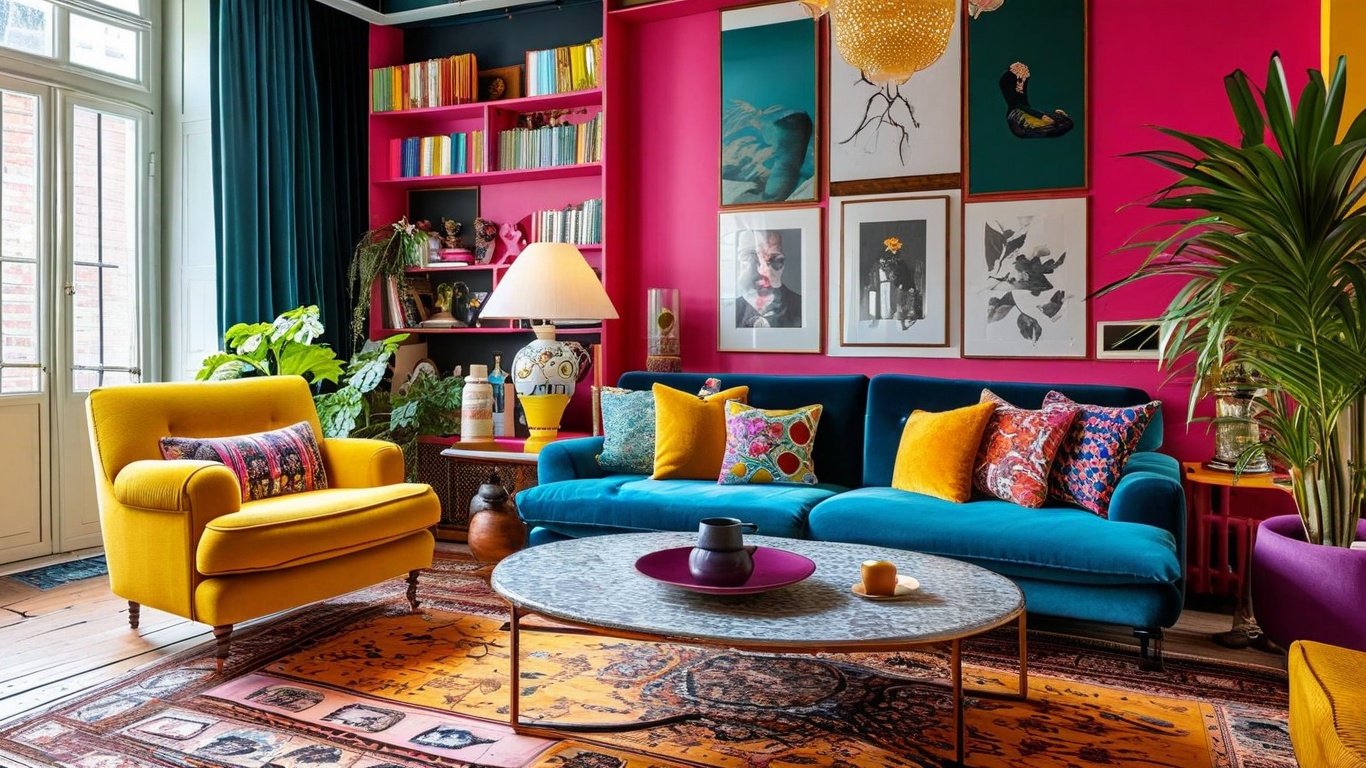
Rooms filled with natural light often feel expansive and hopeful, encouraging openness and clarity. Dim, crowded, or noisy spaces can subtly increase tension, making even simple tasks feel heavier. Over time, these small emotional cues accumulate, shaping baseline mood and resilience.
By paying attention to how spaces make you feel rather than just how they look, it becomes easier to curate environments that restore rather than drain.
How Visual Order Influences Mental Clarity
The brain craves simplicity. Visual clutter competes for attention, creating a low-grade stress that makes focus harder to sustain. When surroundings feel chaotic, thoughts often follow.
Clean lines, intentional storage, and breathing room between objects allow the mind to relax into deeper concentration. This doesn’t require minimalism in the strict sense, only thoughtful editing—keeping what feels meaningful and letting go of what adds noise.
A visually calm space signals safety and ease, making it easier to think clearly, make decisions, and remain present.
Small Environmental Shifts That Boost Daily Energy
Motivation rarely arrives in dramatic bursts. More often, it’s nudged forward by subtle cues in our surroundings that make healthy choices feel natural.
Light And Air Flow
- Position workspaces near windows to invite natural light
- Open windows when possible to refresh indoor air
- Use soft lamps in the evening to signal relaxation
Purposeful Layout
- Keep frequently used items within easy reach
- Create distinct zones for work, rest, and creativity
- Remove obstacles that slow movement or decision-making
Sensory Comfort
- Add textures like linen, wood, or soft rugs
- Introduce calming scents such as lavender or citrus
- Play gentle background music or ambient sound
These small refinements gently guide energy upward without forcing discipline.
The Quiet Power Of Habit-Friendly Design
Our habits are deeply influenced by convenience. When healthy actions are easy and friction is low, they become natural rhythms rather than goals requiring constant willpower.
A water bottle placed on a desk encourages hydration. A journal on the bedside table invites reflection. A yoga mat left unrolled quietly suggests movement.
Meanwhile, habits we wish to soften can be made slightly less convenient—screens stored away at night or snacks kept out of immediate sight.
Environment becomes a silent partner in shaping routines, often more effective than motivation alone.
Creating Spaces That Support Emotional Balance
Beyond productivity, environments can nurture emotional well-being by offering moments of calm throughout the day.
Calm Corners
- A chair by the window for morning coffee
- A small reading nook with soft lighting
- A balcony or outdoor space for fresh air breaks
Nature Elements
- Houseplants that bring life and softness
- Natural materials like stone or wood
- Views of greenery or sky when possible
Personal Touches
- Art that evokes warmth or memory
- Objects with sentimental value
- Photos that inspire gratitude
These elements offer emotional grounding, reminding the nervous system to slow down and settle.
Why Intentional Environments Lead To Sustainable Change
The beauty of shaping surroundings lies in their quiet consistency. Unlike bursts of motivation that fade, environments work continuously in the background.
They support healthier choices when energy is low. They offer calm when stress rises. They gently reinforce the identity you’re building—someone who values clarity, balance, and thoughtful living.
Over weeks and months, the cumulative effect becomes powerful. Mood steadies. Focus deepens. Habits align more naturally with personal goals.
Rather than pushing yourself harder, you begin to flow more easily within spaces designed to support you.
When Your Space Becomes A Source Of Quiet Strength
Your environment is more than a place you pass through—it’s an active influence shaping how you feel, think, and live each day. With subtle intention, spaces can become sources of calm motivation, emotional balance, and gentle encouragement.
By tuning into sensory details, simplifying visual noise, and designing with habit support in mind, your surroundings begin to work with you rather than against you. Over time, this quiet partnership creates a life that feels more grounded, focused, and beautifully aligned with your values.